Edith CHUKU

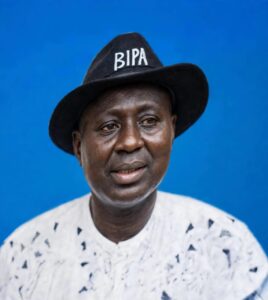
The birthday of the founding president of the Movement for the Survival of the Izon Ethnic Nationality in the Niger Delta MOSIEND, Elder Timi Kaiser-Wilhem Ogoriba, has become a fresh rallying point in the lingering effort of the Ijaw people to achieve greater autonomy and control over their resources.
As Ogoriba, a veteran activist and prominent figure in the Ijaw struggle for equity and justice marked his 72-year-old birthday, MOSIEND, called for greater resource ownership, control and economic justice for the region.
In a birthday tribute made available to TNN, the MOSIEND President, Dr. Kennedy Tonjo West, described Ogoriba as a living symbol of the Kaiama generation whose courage and commitment helped shape the Ijaw struggle and the historic agitation that culminated in the Kaiama Declaration.
According to Tonjo West, the MOSIEND founding president is more than a leader, but a teacher, mentor and statesman whose life has been defined by courage and an unwavering commitment to the dignity, rights and future of the Ijaw people and the Niger Delta.
His words: “The Movement for the Survival of the Izon Ethnic Nationality in the Niger Delta (MOSIEND) has used the birthday of its founding President, Elder Timi Kaiser-Wilhelm Ogoriba, to renew the call for a just and equitable Nigerian federation in which the people and communities that own the nation’s natural resources have a greater stake in their ownership, control and utilisation.
“Ogoriba’s relevance transcends the office he once occupied. He is a teacher, mentor, statesman and enduring symbol of the struggle for the dignity, rights and future of the Ijaw people and the wider Niger Delta.
“The story of resource ownership and justice in Nigeria cannot be properly told without acknowledging the sacrifices of those who stood at the forefront of the struggle when speaking for Ijaw self-determination came with considerable personal and political risks.
“Elder Ogoriba is more than a leader. He is a teacher, mentor and statesman whose life has been defined by courage and an unwavering commitment to the dignity, rights and future of the Ijaw people and the Niger Delta.”
MOSIEND maintained that the challenges which inspired the struggles of the Kaiama generation have not disappeared completely. Rather, they have evolved into contemporary questions around resource ownership, fiscal federalism, environmental justice, derivation, community participation and the right of resource-bearing communities to benefit substantially from the wealth generated from their land and waters.
The pan Niger Delta group urged that “Ogoriba’s birthday should not merely be viewed as a celebration of longevity, but also as an opportunity for a new generation to reflect on the unfinished business of the Niger Delta struggle.
“The sacrifices of the pioneers must not be allowed to become historical memories without translating them into tangible improvements in the lives of the people for whom they fought.”
The foremost Niger Delta mass mobilization organization called for sustained advocacy for a federal structure that guarantees greater economic justice, stronger participation of host communities and meaningful ownership and control of the resources upon which the Nigerian economy has depended for decades.
“Today, we salute your courage, honour your sacrifices and thank God for the gift of your life. We pray for Elder Ogoriba’s continued good health, longevity and strength to remain an enduring blessing to the Ijaw nation and the Niger Delta.”
Further, MOSIEND reaffirmed that the ideals represented by its founding President remain relevant to the contemporary struggle for justice, equity, development and resource ownership, while calling on younger generations of Ijaw people to understand the history behind the movement and sustain the legitimate struggle for a better deal for the Niger Delta.
As Ogoriba marks another year, MOSIEND says it is celebrating more than just a man, it is honouring a generation of courage, sacrifice and conviction.
The occasion also served as a reminder to Nigeria that the fundamental questions of who owns the resources, who controls them and who truly who ultimately benefits from them remain at the heart of the struggle for a fairer federation.